How Casino Banner Images Are Processed?
How Casino Banner Images Are Processed?
The visual architecture of a digital platform is what dictates its first impression and, ultimately, its level of user engagement. In the fast-paced world of online entertainment, banner images serve as the “digital storefront.” They must convey excitement, security, and variety in a single glance. However, creating these assets involves a complex pipeline of graphic processing that balances high-end aesthetics with technical performance. For instance, when a player visits a 5 euro deposit casino to explore new gaming options, the banners they see are the result of hundreds of micro-decisions regarding color psychology, lighting effects, and compression algorithms.
Processing these images is not merely about making things look “shiny.” It is a calculated effort to blend 3D renders with 2D elements while maintaining a consistent brand identity. Because these banners often appear on a wide range of devices—from high-resolution 4K monitors to budget smartphones—the backend processing must be extremely robust. A banner that looks great on a desktop but fails to load correctly on a mobile device is a failure in the eyes of both the user and the platform operator.
From 3D Concept to 2D Composite
The journey of a casino banner usually begins with high-fidelity 3D modeling. Designers create intricate models of icons, characters, or classic gaming elements. These 3D assets are rendered using “Ray Tracing” technology to ensure that reflections and shadows look realistic. A common theme in casino imagery is the “glow”—the way light bounces off metallic surfaces or neon signs.
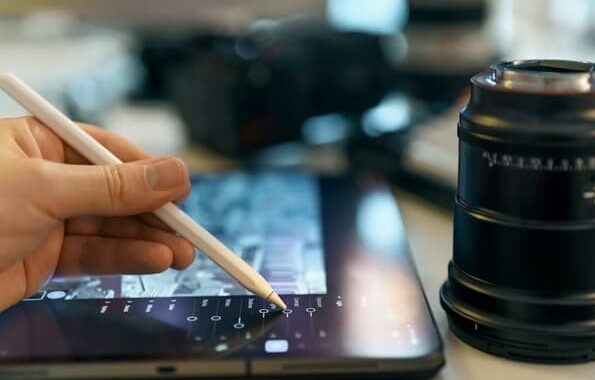
Once the 3D render is complete, it is moved into a 2D compositing environment. This is where the “heavy” processing happens. Designers add layers of particles, such as floating dust, light flares, or motion blur, to create a sense of dynamic energy. The goal is to make the image feel as though it is caught in a moment of high-intensity action. During this stage, “Color Grading” is applied to ensure that the banner fits the specific theme of the platform—whether it’s a sleek, dark-themed “VIP” look or a vibrant, colorful “casual” vibe.
Optimization: The Silent Stage of Processing
One of the most critical aspects of image processing in 2026 is optimization. A beautiful banner is useless if it adds five seconds to the page load time. Digital platforms use advanced “Lossy” and “Lossless” compression techniques to find the perfect middle ground between quality and file size.
- WebP and AVIF Conversion: Standard JPEGs are increasingly rare. Most modern banners are processed into AVIF or WebP formats, which offer superior compression and better color depth at a fraction of the file size.
- Responsive Asset Generation: The processing server often creates five or six different versions of the same banner. The system detects the user’s screen resolution and “serves” the smallest possible version that will still look sharp on that specific device.
The Role of AI in Automated Variation
In 2026, the volume of banners required is staggering. A single platform might need dozens of banners for different promotions, languages, and regional events. To handle this, designers use “Generative Filling” and automated layout tools. An AI can take a base 3D render and automatically re-compose it for a vertical mobile banner, a horizontal desktop header, and a square social media post.
This automated processing ensures that the “focal point” of the image—usually a central character or a promotional offer—is never cut off regardless of the aspect ratio. Furthermore, AI tools are used for “Upscaling,” taking lower-resolution legacy assets and reconstructing missing details to make them look sharp on modern high-DPI screens. This allows platforms to maintain visual consistency even when using older brand assets.
Color Psychology and Visual Hierarchy
Processing also involves “Psychological Tuning.” Certain colors are known to drive action more effectively than others. For example, “Gold” and “Emerald Green” are frequently processed with high saturation in casino banners because they are traditionally associated with wealth and luck. “Red” is often used for buttons or “Limited Time” offers to create a sense of urgency.
Visual hierarchy is maintained through “Depth of Field” processing. By slightly blurring the background elements and keeping the primary offer in sharp focus, the designer forces the user’s eye to land exactly where it needs to. This technique is borrowed from cinematography and is essential for keeping a busy, multi-element banner from looking cluttered or confusing.
Ensuring Fair Representation and Compliance
Beyond aesthetics, there is a legal and ethical side to image processing. In 2026, many jurisdictions have strict rules about how digital games can be depicted. Banners must not be misleading; they cannot imply that winning is “easy” or “guaranteed.” Part of the processing workflow includes a compliance check, ensuring that all required disclaimers are legible and that the imagery does not target vulnerable demographics.
The processing of casino banner images is a unique intersection of art, psychology, and high-stakes engineering. It requires a deep understanding of how light works in the physical world and how code works in the digital one. By the time a user sees a banner, it has been rendered, composited, compressed, and localized through a highly specialized pipeline designed to catch the eye in a fraction of a second.